Lath or mesh: which one you need
The two look similar in the bundle, but they go in different places in the wall.
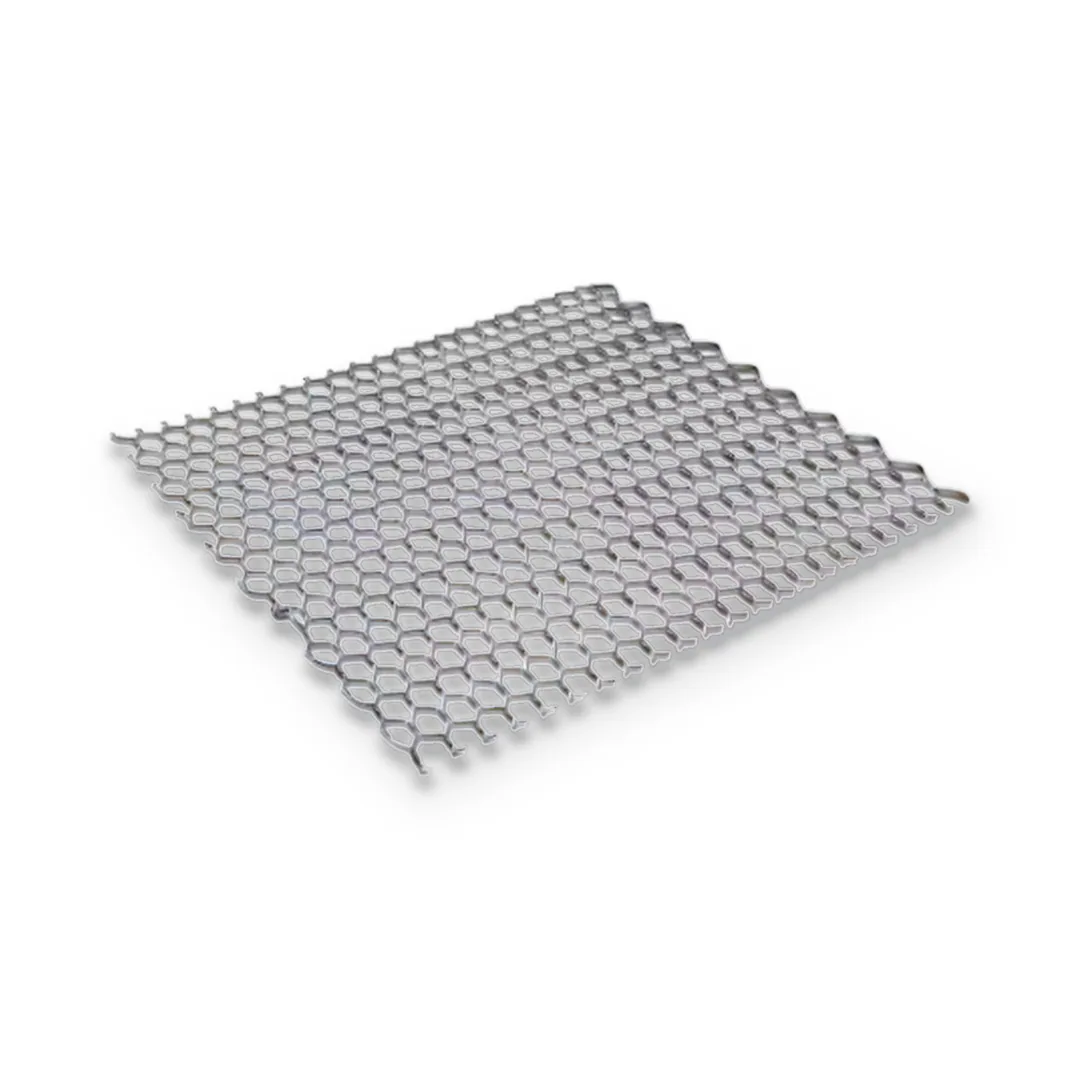
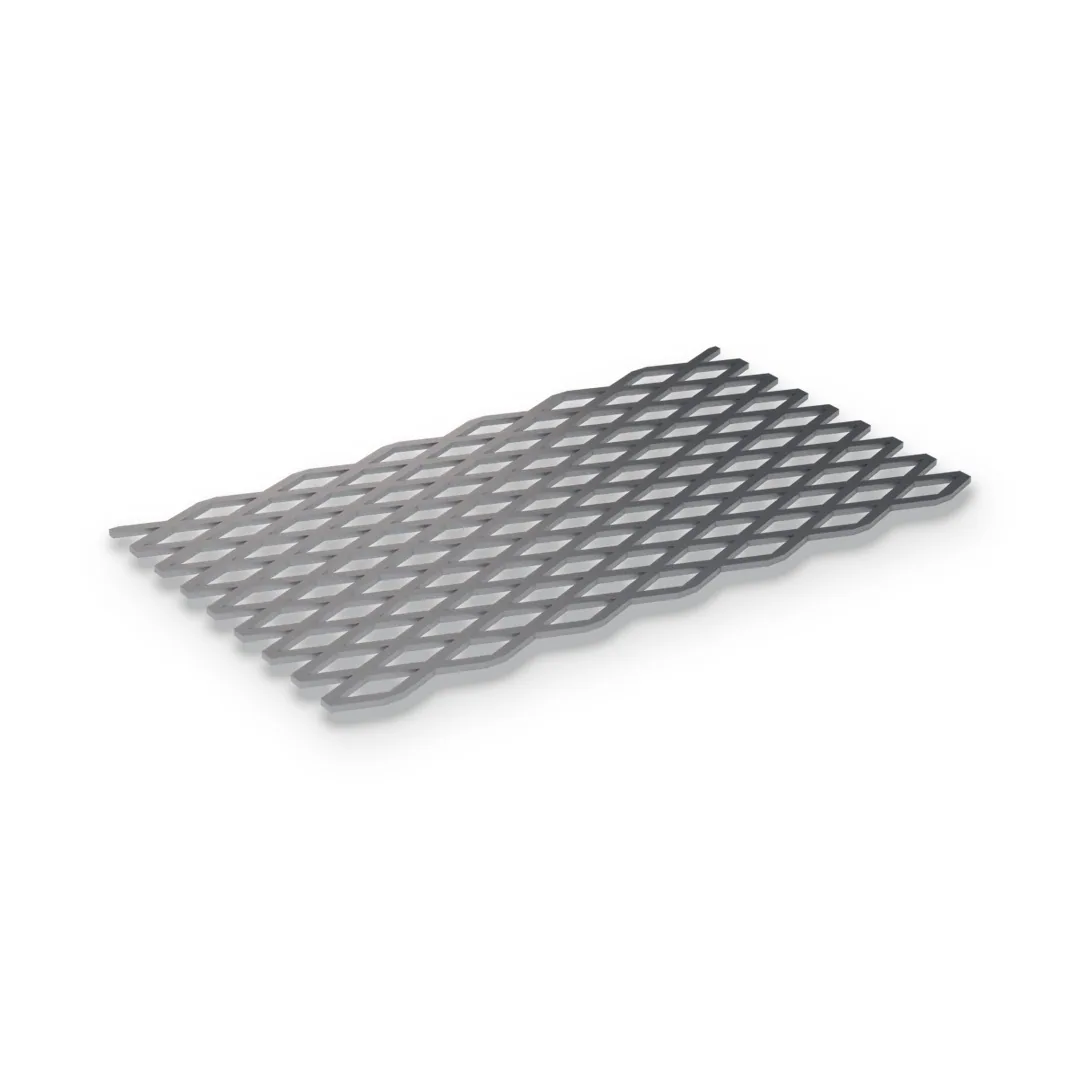
| Metal lath | Security mesh |
|---|
| Job | Holds plaster, stucco, stone veneer, tile beds | Adds a steel layer that resists cut-through |
| Where it goes | On the surface, under the plaster | Inside the wall, behind the board |
| Sizes | 1.75 lb/yd², 27" × 96"; 2.5 lb/yd², 27" × 97" | 3/4" #9F and 1-1/2" #9F, 4' × 8' |
| Steel | G60 galvanized diamond mesh | Flattened expanded steel, one piece |
Choosing a lath weight
The plaster specification decides, but the usual split is simple:
- 2.5 lb/yd²: exterior stucco, adhered stone veneer, studs at 16" on centre.
- 1.75 lb/yd²: interior plaster, tile mortar beds, small areas and repairs on closer supports.
Lath is fastened with the long way of the diamond across the supports, lapped at sides and ends, and wire-tied between supports to ASTM C1063.
Where security mesh is used
Security mesh turns an ordinary partition into a harder barrier without changing how it looks. Typical rooms:
- pharmacies, banks and cash offices,
- server and records rooms,
- retail stockrooms and demising walls.
Sheets are screwed to every stud and track, usually full height from slab to structure. 3/4" #9F has more steel per square foot; 1-1/2" #9F is lighter.
Common questions
Quick answers on weights and sizes.
1.75 lb or 2.5 lb metal lath?
2.5 lb is the usual choice for exterior stucco and 16" support spacing. 1.75 lb suits lighter interior plaster at closer spacing.
What does 3/4" #9F mean?
3/4" is the nominal opening, #9 the strand gauge, and F means the strands are flattened.
Can security mesh go in a fire-rated wall?
Fire-rated walls must still follow their tested design.