Stud and track work as a pair
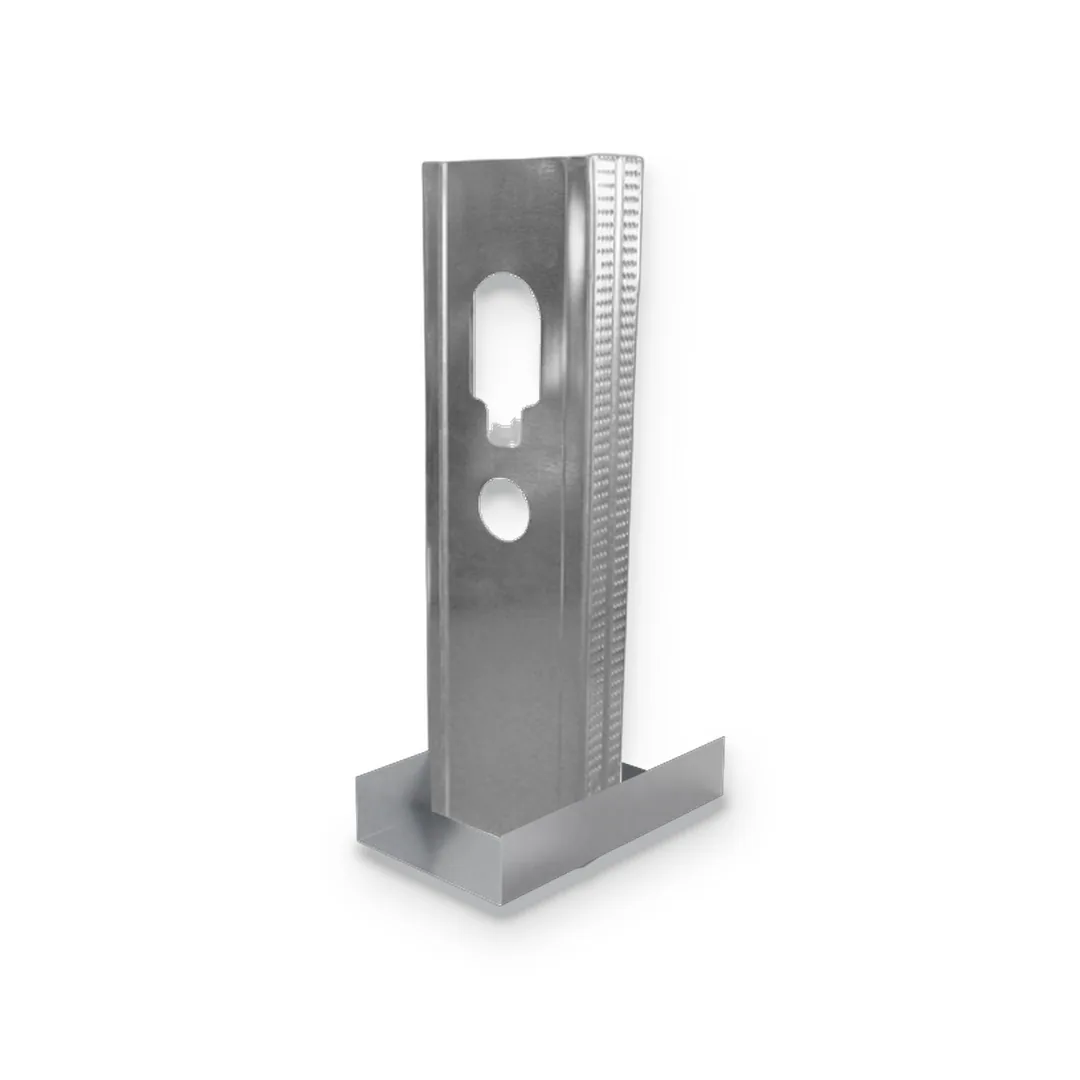
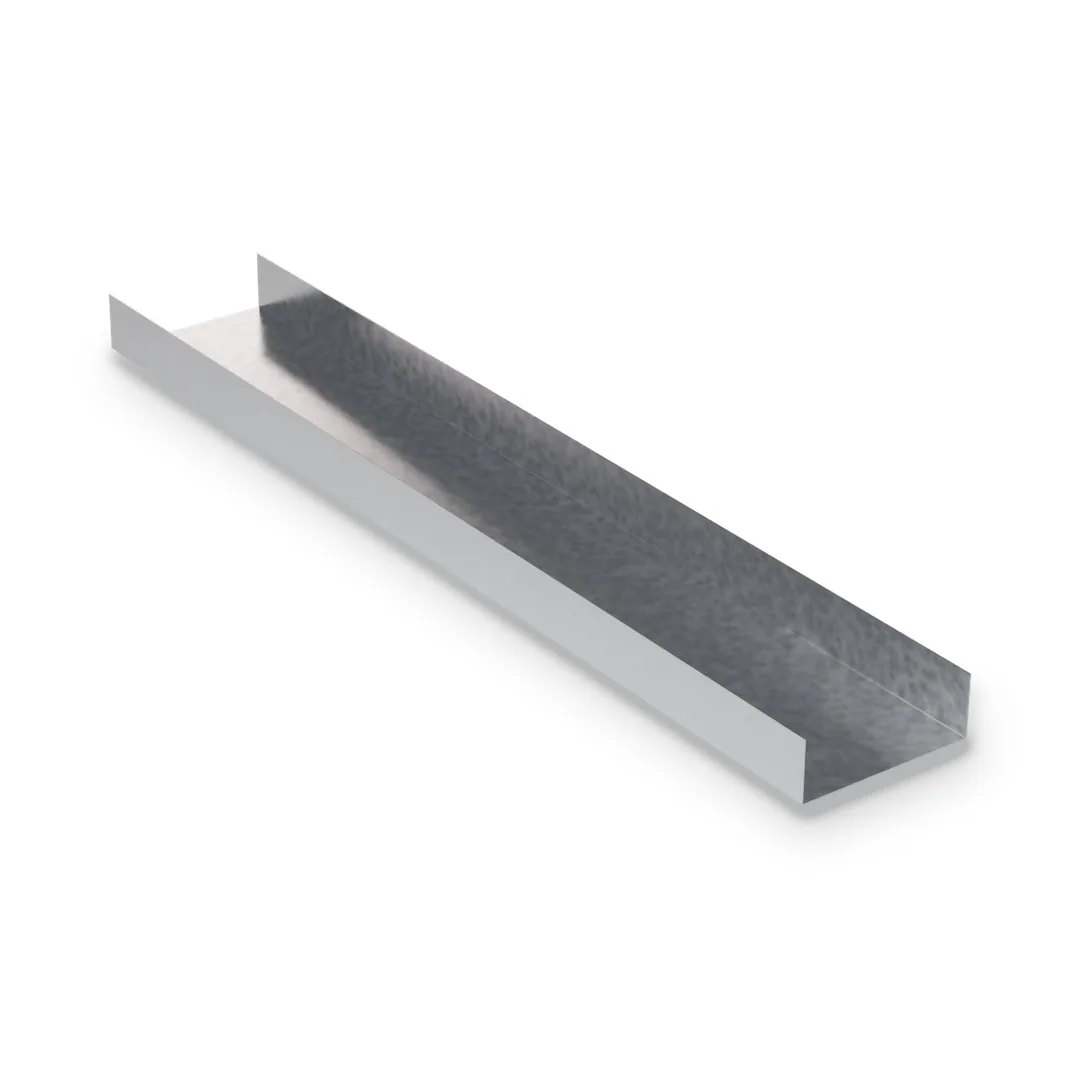
A non-load-bearing wall is two members: a C-shaped stud and a U-shaped track of the same width. The track is fixed to the floor and the structure above, and the studs stand in it at 16" or 24" on centre.
Picking the stud width
Width follows the wall thickness and what has to run inside it. Final size and spacing come from the tested wall assembly and the limiting height for the stud.
- 1-5/8": furring and liner walls, chases.
- 2-1/2" and 3-5/8": most office, condo and retail partitions.
- 6": taller walls and deeper service cavities.
Our guide to steel stud limiting heights explains how height, spacing and deflection limit work together.
What to use at the head of the wall
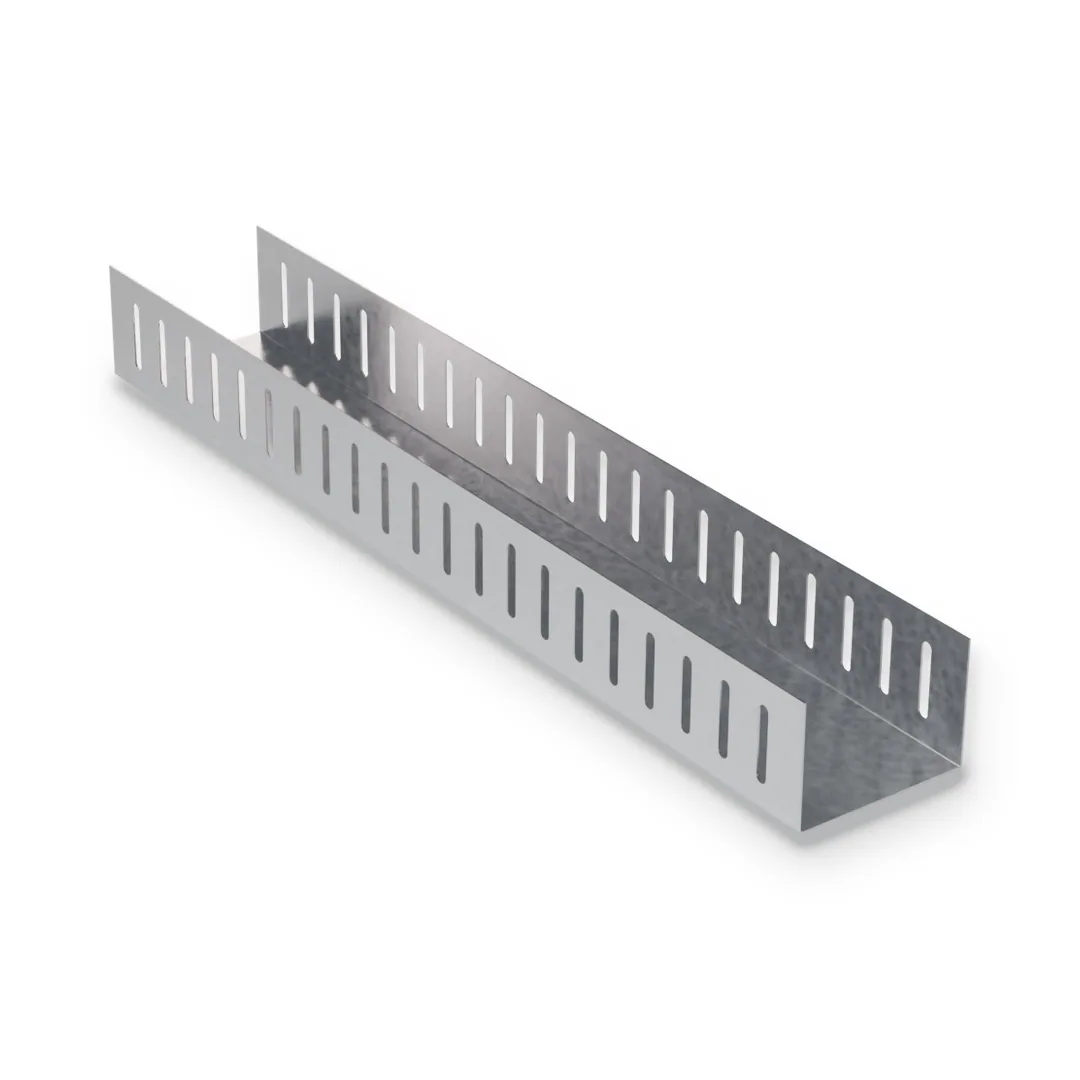
Where the slab above will deflect, the top of the wall must be free to move. Use 2" or 3" deep-leg track with the studs left unscrewed at the head, or slotted deflection track. Read deflection track vs. standard track for the difference.
When an interior stud is not enough
25 gauge studs are non-structural members to ASTM C645. Move up to the load-bearing steel stud when the wall:
- is taller than the interior stud's limiting height,
- carries tile, stone, cabinets, handrails or grab bars,
- frames heavy door jambs or sits in a high-impact corridor,
- takes wind or axial load.
Parts that complete the partition
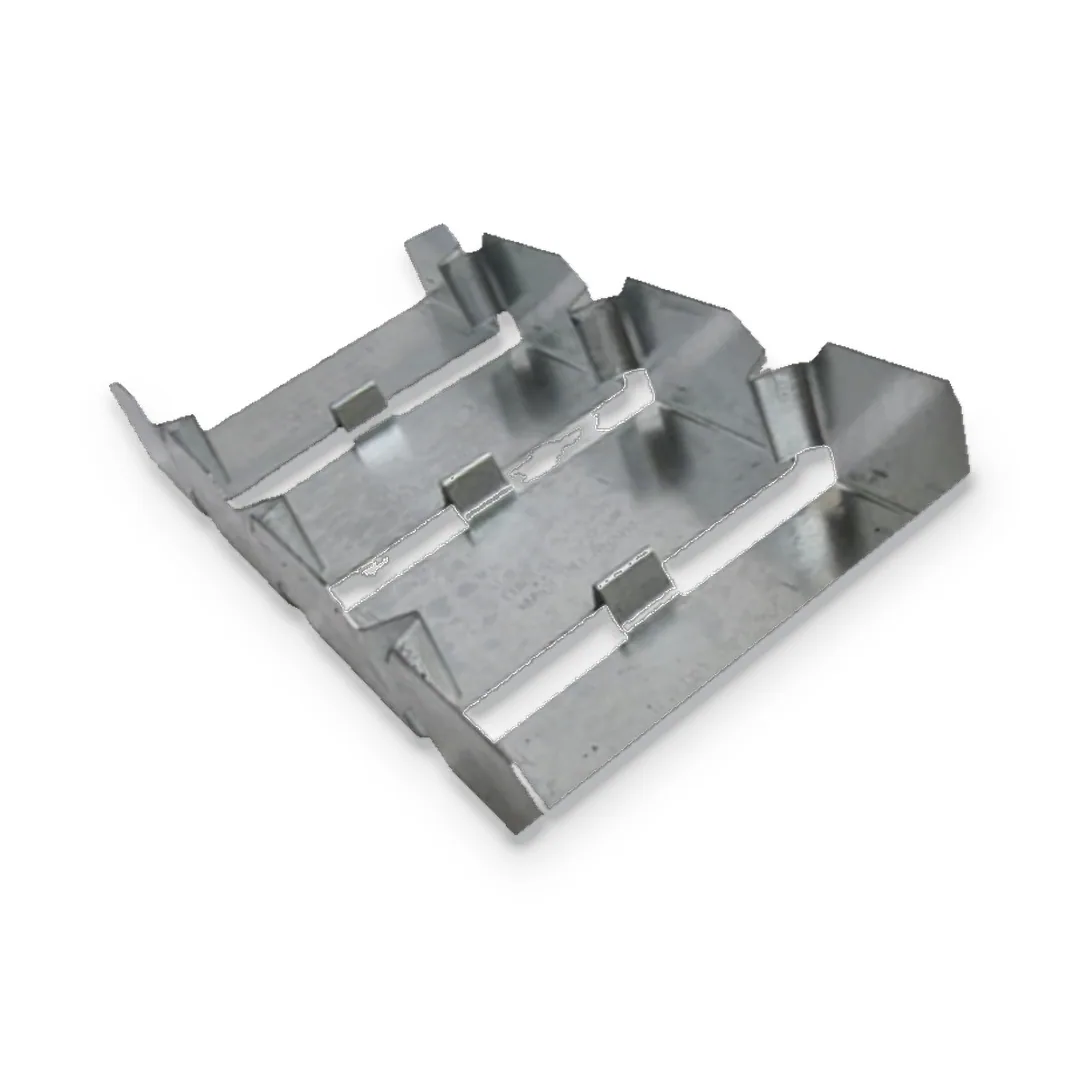
A finished interior wall uses more than studs and track. These products are listed on this page because they go into the same partitions and ceilings.
Common questions
Short answers to what contractors ask most about interior framing.
Is a metal stud the same as a drywall stud?
Yes. Metal stud, drywall stud and interior steel stud all describe the same non-load-bearing 25 gauge C-stud used behind gypsum board.
Which track leg do I need?
Standard 1-1/4" leg track suits most partitions. 2" and 3" deep-leg track is used at the head of a wall where the slab above may move.
Can 25 gauge studs carry a load?
No. They are non-structural. Load-bearing and exterior walls use structural studs of 20 gauge and heavier.