What makes a stud structural
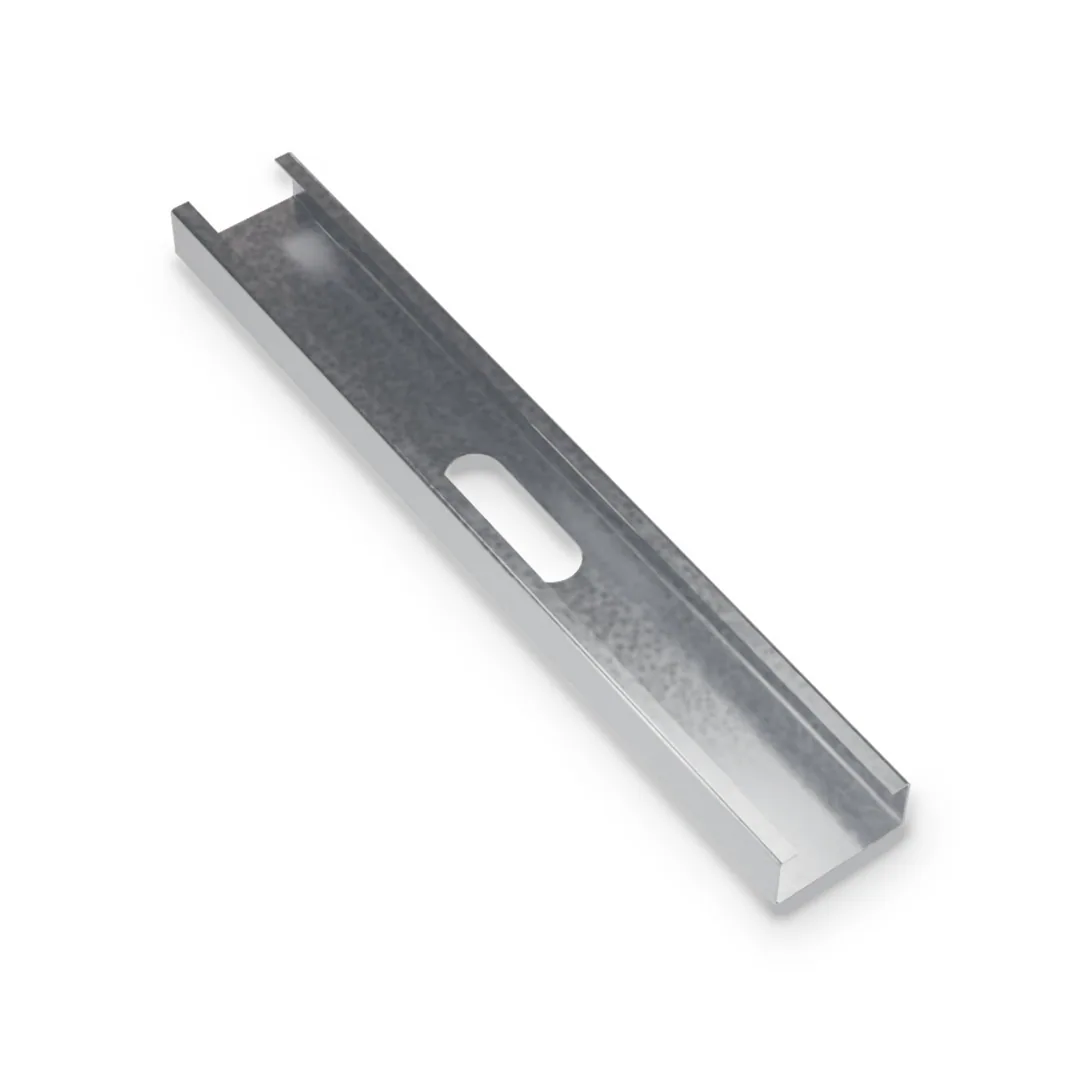
A structural stud has the same C shape as an interior stud, but in heavier steel, with wider flanges and lips on both flanges. It is specified to ASTM C955 and designed to CSA S136.
| Gauge |
Min. yield |
Typical use |
| 20 ga |
33 ksi |
Tall interior walls, light curtain walls |
| 18 ga |
33 ksi |
Curtain walls, infill walls |
| 16 ga |
50 ksi |
Load-bearing walls, headers and jambs |
| 14 ga and 12 ga |
50 ksi |
Heavy loads, long spans, mid-rise bearing walls |
Typical uses are general guidance. The structural engineer sets the size, gauge, spacing, bracing and connections for every wall.
Flange width
Five flange widths change how much the stud can carry and how much room there is for sheathing and connections.
- 1-1/4": heavier interior walls.
- 1-5/8": most load-bearing and curtain walls.
- 2" and 2-1/2": wider bearing and heavier loads.
- 3": very heavy loads and longer spans.
Track at the top and bottom
Every structural stud sits in track of the same web width. The head detail depends on whether the wall carries the floor above or must stay clear of it.
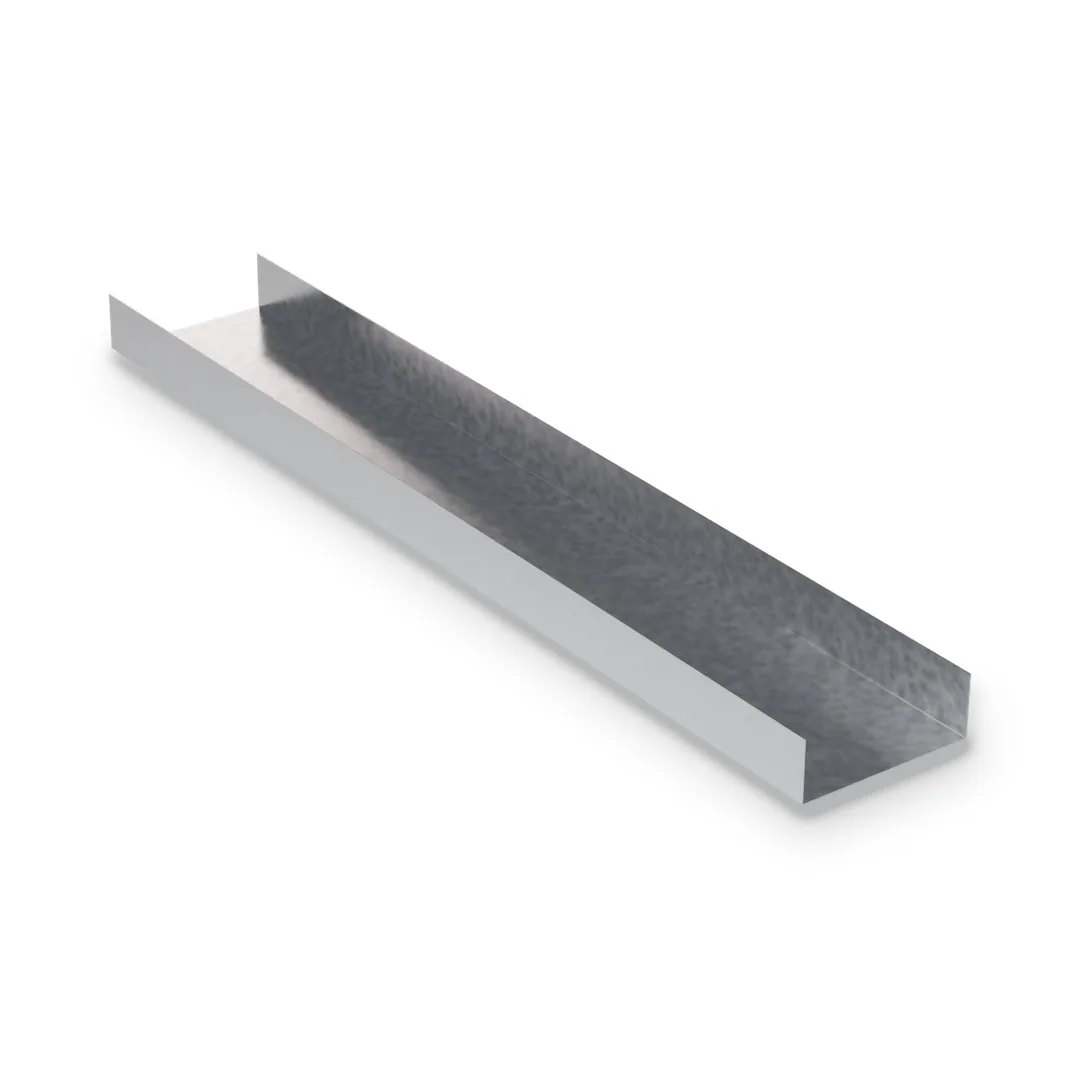
- Load-bearing wall: standard 1-1/4" leg track, studs screwed to both legs.
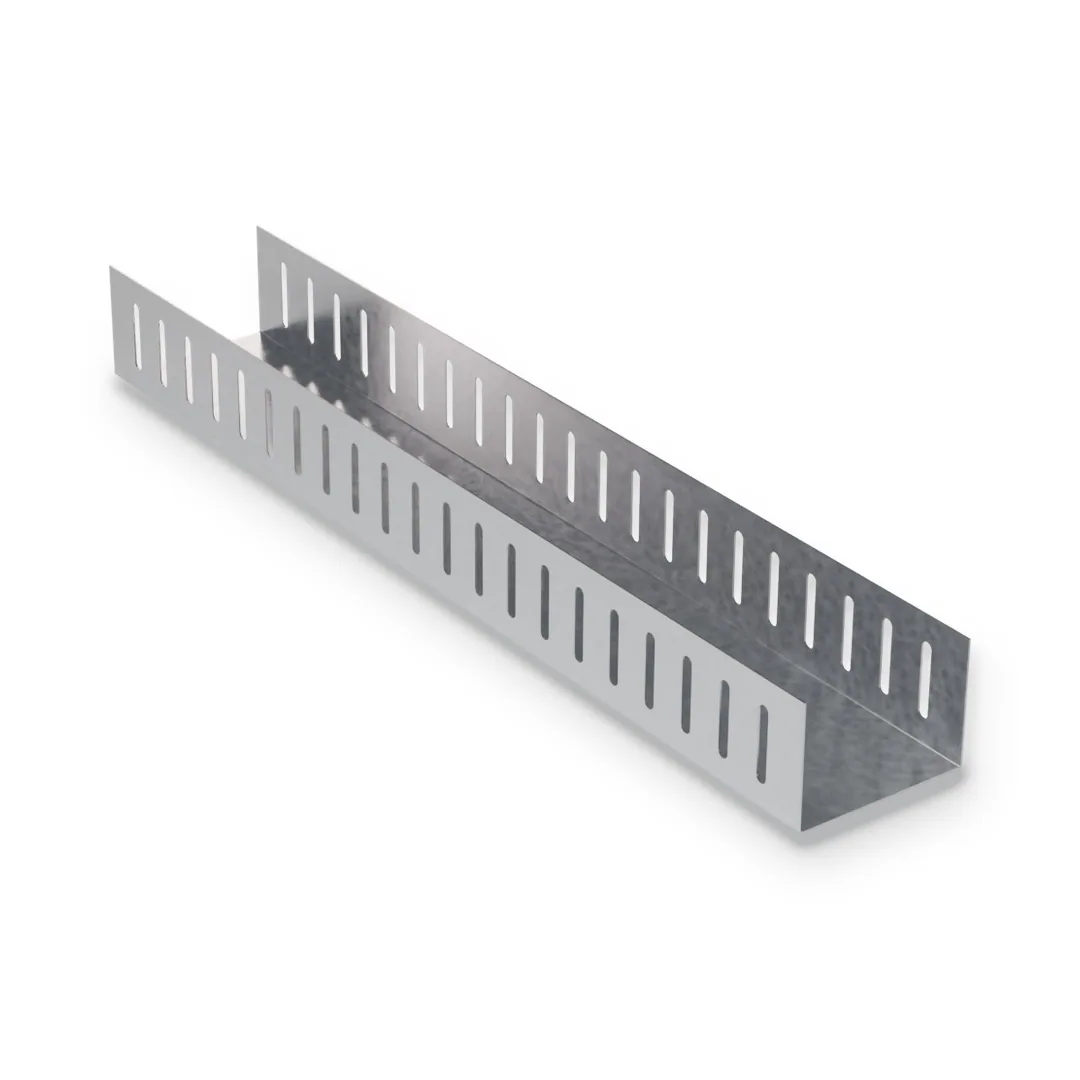
- Infill or curtain wall under a moving slab: 2" or 3" deep-leg track with the studs left free, or slotted deflection track with screws in the slots.
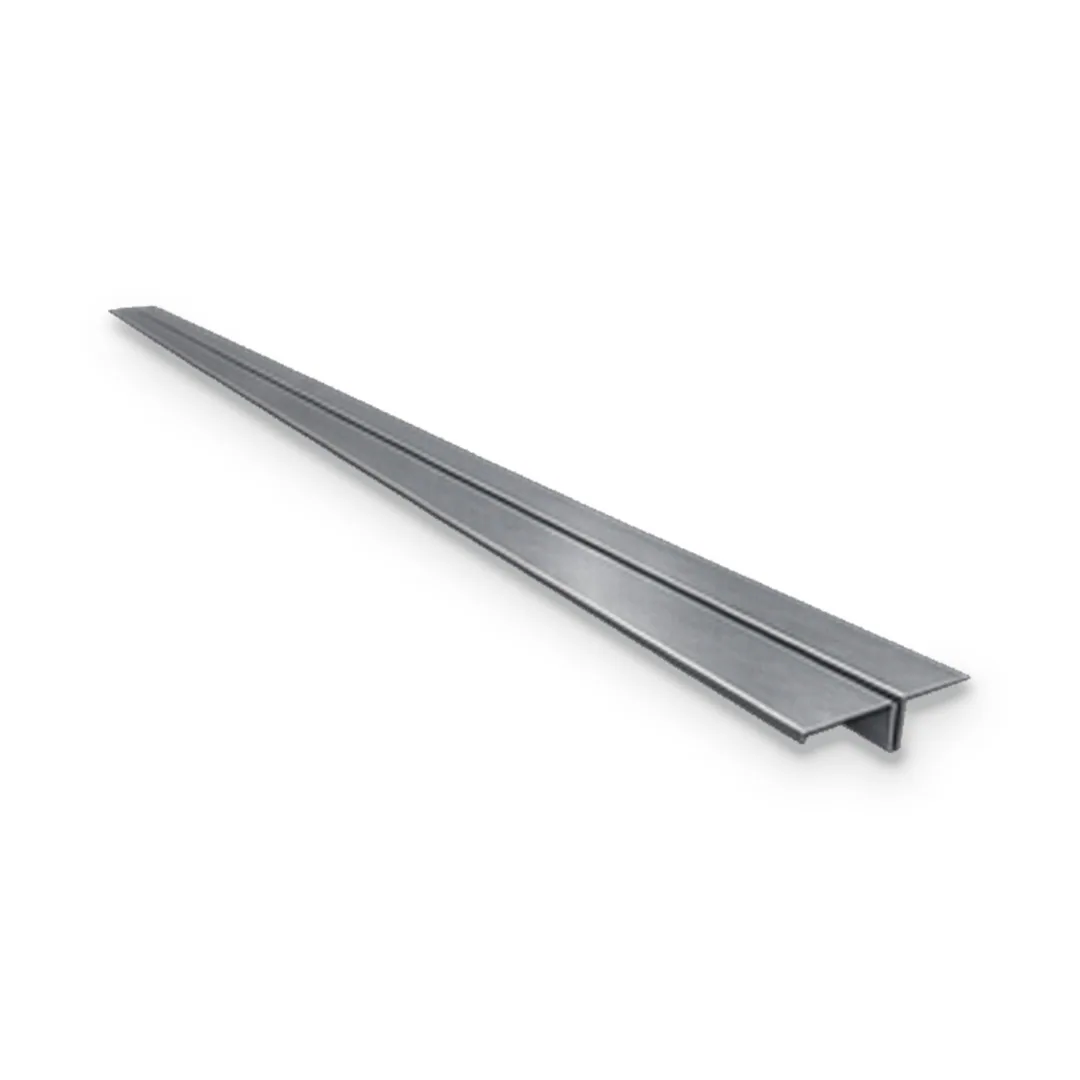
- Bracing: rows of bridging channel through the knockouts, and windbrace where diagonal bracing is called for.
Floors on the same system
The same cold-formed sections, in deeper sizes, frame floors. See the steel floor joist system, and form deck for concrete toppings over joists.
Common questions
Answers on gauges, head details and certification.
What gauge is a 54 mil stud?
16 gauge. 33 mil is 20 ga, 43 mil is 18 ga, 54 mil is 16 ga, 68 mil is 14 ga and 97 mil is 12 ga.
Deep-leg track or slotted deflection track?
Both let the slab above move without loading the studs. Deep-leg track relies on leg height and unscrewed studs; slotted track holds the studs with screws that ride in vertical slots. The engineer of record chooses.
Are Saturn Metal structural studs certified?
Our cold-formed framing members are product certified by CISC to CSSBI 61:24. Certification covers only the members named in our current Product Scope Listing, so confirm a specific member with us before relying on it.