The parts of a steel joist floor
A cold-formed floor is a small kit of parts. Each one has a single job, and the structural design sets every size.
| Part | What it does |
|---|
| Cold-formed joist | Spans between walls or beams and carries the floor |
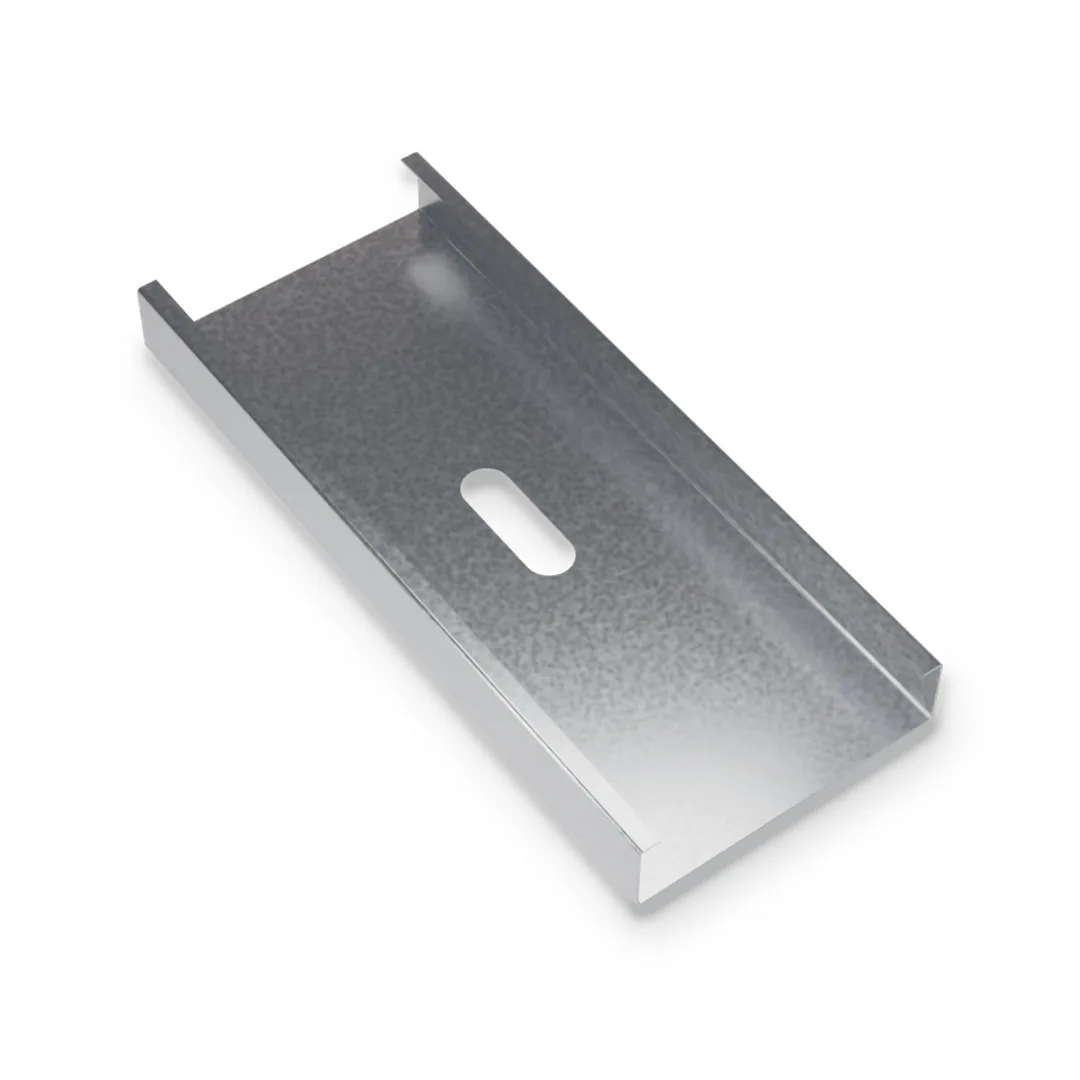
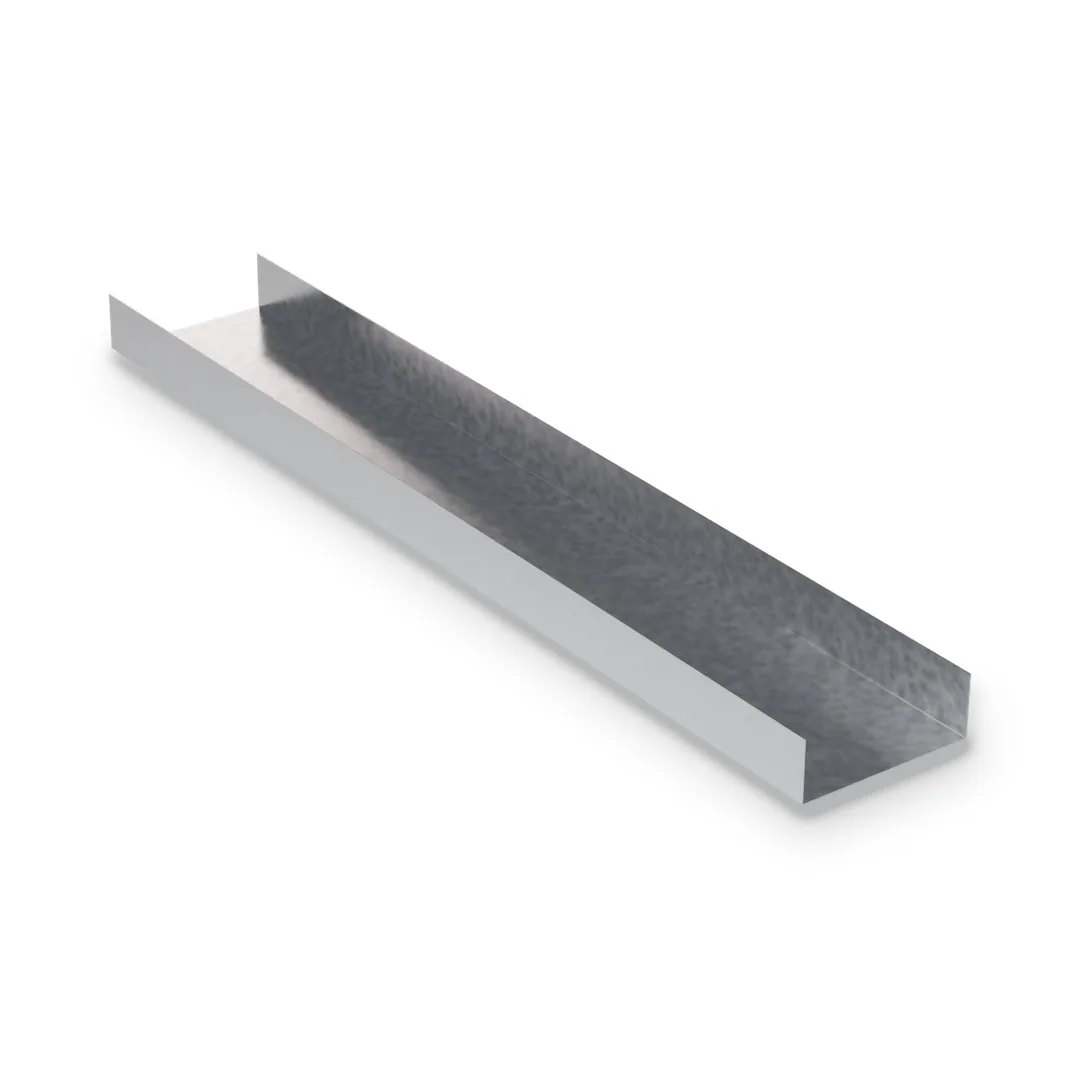
| Rim track | Caps the joist ends and holds them in line |
| Web stiffener | Stiffens the joist web at bearings and point loads |
| Blocking and bridging | Keeps joists straight and stops them rolling |
| Clips | Fix joists to rim track, headers and beams |
| Subfloor | Floor surface that braces the top flange (by others) |
Joist sizes
88 joist sections cover most light steel floors. Joists usually sit at 16" or 24" on centre.
- Depths: 6", 8", 10", 12" and 14".
- Flanges: 1-5/8", 2", 2-1/2" and 3", with 1/2" or 5/8" lips.
- Gauges: 18 to 12 ga for floors; 20 ga also offered at 6" and 8".
- Spans: clear spans commonly fall around 10 to 30 ft.
Rim track closes the floor
Rim track is steel track in the same depth as the joists, run along the floor edge. A 10" joist such as 1000S162-54 takes 1000T125-54 rim track.
Concrete over steel joists
Where a concrete slab goes on top, the deck choice changes how the floor works. Composite floor deck bonds to the slab and acts as its bottom reinforcement.
Common questions
What engineers and framers ask before ordering joists.
How far can a cold-formed steel joist span?
It depends on depth, gauge, flange, spacing and load. Single spans commonly fall in the 10 to 30 ft range, and the engineer of record sizes each floor.
Is a steel joist the same as a structural stud?
It is the same C-section family as a structural stud, in deeper 6" to 14" sizes, used horizontally with rim track and bridging.
What is rim track?
The track along the ends of the joists at the floor edge. It closes the floor and gives the joist ends something to fasten to.